Breed Guide
Pomeranian Dog Food Guide
The Pomeranian's hallmark double coat and tiny frame make weight management and coat nutrition the two central dietary concerns. Tracheal collapse and Alopecia X are breed-specific conditions where diet plays a meaningful supporting role.
Tracheal collapse worsened by obesity — indoor/light formula is the first line of defence
Alopecia X cannot be treated by diet — omega-3 and biotin only support remaining follicles
80%+ develop dental disease by age 3 — 5–7 mm kibble is the minimum standard
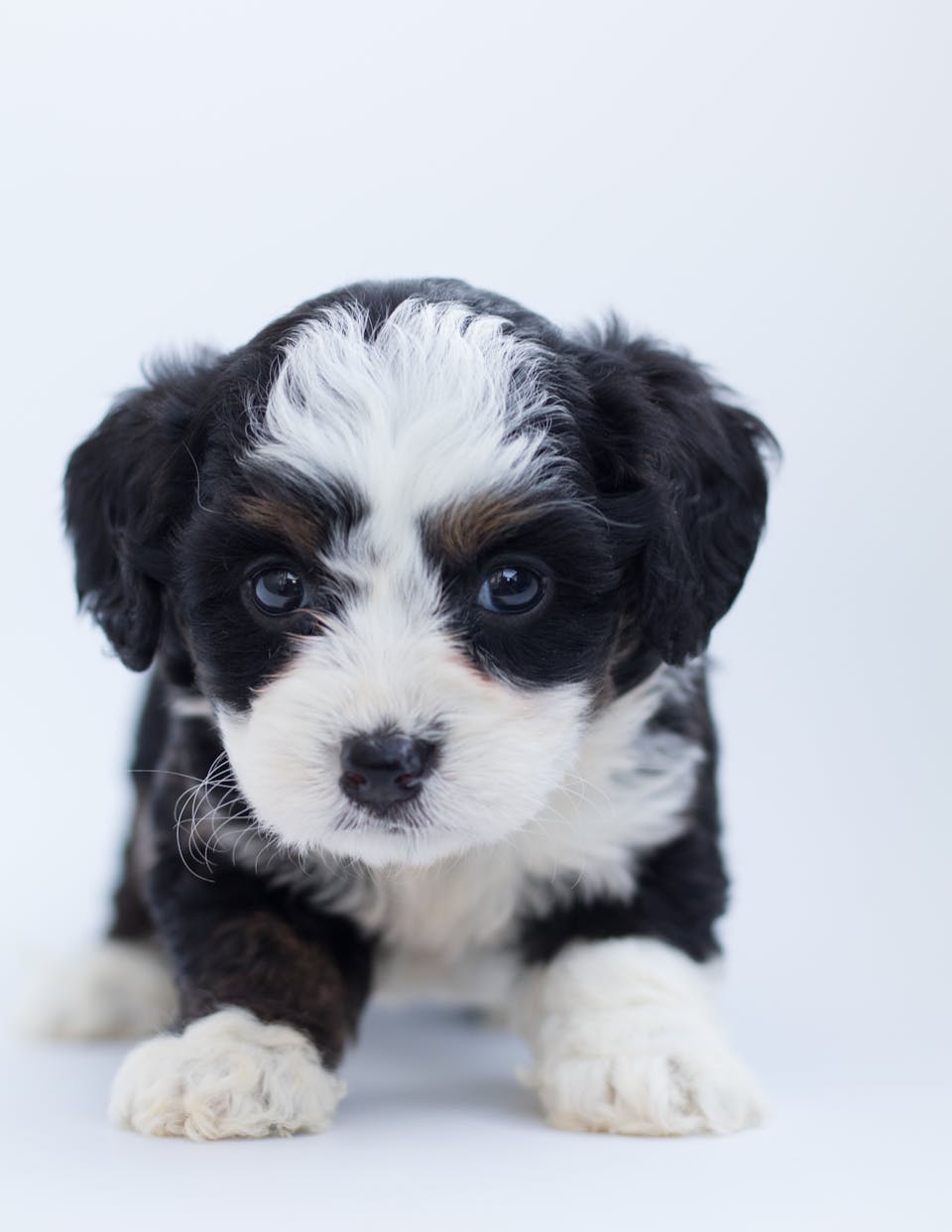
Photo: Pexels / CC0
Basic Info & Common Health Issues
| Average Weight | 1.5–3 kg |
| Average Lifespan | 12–16 years |
| Coat Type | Double coat (overcoat + undercoat), heavy seasonal shedding |
| Activity Level | Moderate (adapts well indoors; mental stimulation needed) |
| Common Health Issues | Tracheal collapse, Alopecia X, dental disease, luxating patella, hypoglycemia |
Despite their small size, Pomeranians are lively and curious. Their thick double coat sheds heavily during seasonal coat blows, and Alopecia X — a hormonal hair loss condition — is particularly prevalent in this breed. Tracheal collapse is worsened by obesity and collar pressure, making weight management a cornerstone of Pomeranian health care.
Three key dietary priorities for Pomeranians
① Tracheal collapse & obesity → indoor/light formula + strict calorie management
② Alopecia X → omega-3, biotin, and zinc for follicle nutritional support
③ Periodontal disease → 5–7mm kibble + regular professional scaling
Nutrition Guide by Life Stage
Puppy (0–12 months)
- ✓Choose a toy or small breed puppy formula. Adult food has different calcium-to-phosphorus ratios unsuitable for growing bones.
- ✓Hypoglycemia prevention is the top priority — feed 4–5 small meals per day. Pomeranian puppies are especially vulnerable to blood sugar drops due to their very small body weight.
- ✓Look for DHA for brain and retinal development. Kelley et al. (2004): DHA-supplemented puppies showed significant improvements in learning ability and retinal function.
- ✓From around 4 months, gradually reduce meal frequency; transition to 2–3 meals per day by 12 months.
- ✓When changing food, transition gradually over 7–10 days by mixing old and new food to minimize digestive upset.
Adult (1–7 years)
- ✓Choose food with omega-3, biotin, and zinc to support the double coat and skin health.
- ✓An indoor or light small breed formula helps manage calorie intake. Obesity directly worsens tracheal collapse and may exacerbate Alopecia X.
- ✓Use dental-friendly crunchy kibble. Niemiec (2013): over 80% of small breed dogs develop periodontal disease before age 3.
- ✓After neutering, reduce daily calories by approximately 15–20%.
- ✓Weigh monthly. A body condition where you can just feel the ribs (BCS 4–5/9) is ideal.
Senior (7+ years)
- ✓Choose highly digestible, high-quality protein. Restricting protein in seniors with normal kidney function can cause muscle loss.
- ✓Consider a senior formula with glucosamine and chondroitin for joint support.
- ✓If appetite decreases, mix wet food at 30–50% to improve palatability and hydration.
- ✓Choose lower phosphorus formulas to protect kidney function.
- ✓Watch for gradual weight loss — senior Pomeranians can experience sarcopenia. Check weight monthly.
Daily Calorie & Feeding Amount by Weight
Based on RER (Resting Energy Requirement) = 70 × weight(kg)^0.75. Maintenance energy for a neutered adult is typically RER × 1.4–1.6. Adjust by ±20% based on activity level and body condition.
| Weight | Daily Calories (adult, neutered) | Approx. Amount (350 kcal/100g food) |
|---|---|---|
| 1.5 kg | ~100–125 kcal/day | ~29–36 g |
| 2 kg | ~120–150 kcal/day | ~34–43 g |
| 2.5 kg | ~145–175 kcal/day | ~41–50 g |
| 3 kg | ~165–200 kcal/day | ~47–57 g |
Calculate Your Pomeranian's Exact Daily Portion
Enter weight, neuter status, and activity level — get daily calories and grams right away. More precise than the table above.
Three Key Health Issues & Dietary Management
Tracheal Collapse — Weight Management Is the Primary Dietary Defense
- ✓Tracheal collapse occurs when the cartilage rings of the trachea weaken and flatten the airway. It is common in toy breeds including Pomeranians, with a characteristic honking or goose-like cough.
- ✓Tappin (2016): Key worsening factors include obesity, excitement, and hot or humid environments. Even modest weight loss significantly reduces fat pressure around the airway and can noticeably improve symptoms.
- ✓Dietary management: Maintaining ideal body weight (1.5–3 kg) is the top priority. Choose an indoor or light small breed formula and limit high-calorie treats.
- ✓Use a harness instead of a collar to prevent direct pressure on the trachea. If coughing worsens or you observe bluish gum color (cyanosis), seek veterinary care immediately.
Alopecia X — What Diet Can and Cannot Do
- ✓Alopecia X is the most common idiopathic hair loss condition in Pomeranians. It is characterized by bilaterally symmetrical hair loss on the back, tail, and neck, and is believed to be caused by sex hormone or adrenal hormone imbalance.
- ✓Diet alone cannot treat Alopecia X. However, nutritional deficiency can worsen the condition. If you observe symmetrical hair loss with skin darkening, endocrine testing (thyroid and adrenal function) should come before any diet changes.
- ✓Foods containing omega-3 (EPA+DHA), biotin (vitamin B7), and zinc can help support remaining follicle function. Roze et al. (2005): omega-3 supplementation significantly improves skin barrier function and coat condition in dogs.
- ✓Neutering sometimes improves Alopecia X symptoms. Discuss treatment options with your veterinarian.
Periodontal Disease — The Small Breed Challenge
- ✓Niemiec (2013): Over 80% of small breed dogs show signs of periodontal disease before age 3. The Pomeranian's small, crowded mouth accelerates tartar buildup.
- ✓Dry kibble sized 5–7mm provides mechanical abrasion that slows tartar formation. VOHC (Veterinary Oral Health Council) certified foods and dental chews can also help.
- ✓Daily tooth brushing and professional scaling by a vet 1–2 times per year are essential. Oral health is also linked to cardiac and kidney health, so regular dental checkups matter.
Weight & Coat Management Checklist
- ✓Choose an indoor or light small breed formula to prevent calorie excess
- ✓Look for high omega-3 (EPA+DHA) from fish sources — approximately 20–50 mg per kg body weight
- ✓Biotin (B7), zinc, and omega-6 included for double coat nutritional support
- ✓No artificial colors, BHA, or BHT
- ✓Limit treats to 10% of daily caloric intake (for a 2 kg Pom: roughly 12–15 kcal)
- ✓Weigh weekly and log monthly trends to catch weight gain early
Pomeranian Shedding — How to Tell the 4 Causes Apart
"Will changing food reduce shedding?" depends entirely on the cause. Each cause requires a completely different response.
| Criteria | Seasonal Shedding | Alopecia X (AKA) | Food Allergy | Hypothyroidism |
|---|---|---|---|---|
| Location | Whole body, even | Back, tail, neck — bilateral symmetry | Trunk, face, paws | Whole body, even |
| Timing / Pattern | Spring & fall, resolves in 2–4 weeks | Gradual, year-round | Year-round, persistent | Gradual, year-round |
| Skin Changes | None | Skin darkening (hyperpigmentation) | Redness, itching, scaling | Dry, flaky, thickened skin |
| Other Symptoms | None | None | Paw licking, ear infections | Lethargy, weight gain, slow heart rate |
| Diet Change Effect | None | None | May improve after 8–12 weeks on LID | None |
| First Step | Increase brushing; ensure omega-3 in food | Vet endocrine panel (thyroid, cortisol) | 8–12 week LID elimination trial | Thyroid hormone test, then medication |
Bilaterally symmetrical hair loss on the back/tail + skin darkening strongly suggests Alopecia X. Get a veterinary endocrine panel (serum thyroid + cortisol) before switching food. AKA does not respond to dietary changes.
Tracheal Collapse by Grade — What to Do Differently
Tracheal collapse is graded 1–4 (Tappin, 2016). Dietary management intensity should match the grade.
Grade 1 — No symptoms; mild narrowing on imaging only
- ✓Maintain ideal weight (1.5–3 kg) now — this is the most effective way to slow progression to Grade 2
- ✓Use an indoor or light formula to prevent calorie excess
- ✓Switch from neck collar to harness to eliminate direct tracheal pressure
- ✓Weigh monthly and track any 0.1 kg changes
Grade 2 — Intermittent goose-honk cough, worsens with exercise
- ✓All Grade 1 measures, plus: minimize excitement, heat, and humidity
- ✓Allow 15–20 min of calm rest after every meal — eating then running puts pressure on the airway
- ✓Softer kibble or a wet/dry mix reduces the speed of eating and swallowing
- ✓If weight exceeds target, discuss a prescription weight-loss diet with your vet
Grade 3–4 — Persistent cough, respiratory distress, cyanosis
- ✓Requires immediate veterinary care — medication or surgery may be necessary
- ✓Diet alone is not sufficient at this stage
- ✓Follow a vet-prescribed diet plan (low-irritant, highly digestible food)
- ✓Full harness use; remove all stimuli that cause excitement or distress
What to Look for in Food
Rather than recommending specific brands, here are the food criteria that tend to work well for Pomeranians.
- ✓Toy breed kibble size 5–7mm: appropriate for the Pomeranian's small jaw and provides mechanical tartar reduction
- ✓Fish-based single protein LID: omega-3 (EPA+DHA) from salmon or herring supports the double coat and skin barrier
- ✓Omega-3 (EPA+DHA) content clearly stated: look for fish oil or krill oil with a declared amount on the label
- ✓Biotin (B7), zinc, and omega-6 included: key for double coat nutrition and sebum regulation
- ✓Indoor or light calorie density: important for weight control and reducing tracheal collapse risk
- ✓No artificial colors, BHA, or BHT: choose products preserved with vitamin E (mixed tocopherols)
- ✓Probiotics included: supports gut health, immunity, and skin condition
- ✓Low-sodium formulation: supports cardiopulmonary health related to tracheal collapse, especially in seniors
Is Your Pomeranian's Current Food a Good Fit?
Check whether the omega-3, biotin, and zinc levels are adequate — and whether there are synthetic preservatives — using the ingredient label.
포메라니안 추천 사료
아래 제품은 참고용 예시입니다. 반드시 우리 아이 상태와 수의사 의견을 우선하세요.
광고 수수료 안내 — 이 포스팅은 쿠팡 파트너스 활동의 일환으로, 이에 따른 일정액의 수수료를 제공받습니다. 구매 가격에는 영향이 없으며, 제품 선정은 수수료와 무관하게 영양 기준에 따라 중립적으로 작성됩니다.
Related Guides
Frequently Asked Questions
Q. What food is best for a Pomeranian's double coat?
A small breed formula with high omega-3 (EPA+DHA) from fish oil is most beneficial for the Pomeranian's thick double coat. Look for salmon or herring as the protein source, plus biotin and zinc for skin and coat support. Avoid artificial colors and synthetic preservatives. Allow 6–8 weeks to assess coat improvement after switching.
Q. How can I prevent hypoglycemia in my Pomeranian?
Feed small meals 3–4 times per day (4–5 times for puppies) to avoid long gaps between meals. Toy and small Pomeranians are especially prone to blood sugar drops. Before travel or stressful events, offer a small snack. If you notice sudden lethargy, trembling, or seizures, contact a vet immediately.
Q. Can I reduce Pomeranian shedding with diet?
Seasonal shedding, especially heavy during spring and fall coat blows, is a normal characteristic of the double coat and cannot be eliminated through diet. However, omega-3 fatty acids support skin barrier health and may reduce excess shedding caused by nutritional deficiency. Allow 6–8 weeks to evaluate any dietary changes.
Q. When should I transition a Pomeranian puppy to adult food?
Pomeranians are small breeds that are nearly fully grown around 10–12 months. Transition to a small breed adult food at this point, mixing old and new food gradually over 7–10 days to reduce digestive upset. Monitor stool quality, skin, and energy levels for at least 4 weeks after the switch.
Q. My Pomeranian has Alopecia X (AKA). Should I change the food?
Alopecia X cannot be treated through diet alone — it is believed to be caused by hormonal imbalance, and endocrine testing (thyroid, adrenal function) should come first. However, ensuring adequate omega-3, biotin, and zinc in the diet helps support remaining follicle function. If you notice bilaterally symmetrical hair loss on the back, tail, or neck accompanied by skin darkening, see a vet promptly.
Q. My Pomeranian refuses to eat. What should I do?
Pomeranians can be sensitive to palatability. Adding a small amount of warm water to enhance aroma, or placing a small amount of wet food on top of dry kibble, can be effective. Avoid using treats or human food to coax them, as this reinforces picky eating. Because Pomeranians are prone to hypoglycemia, if food refusal persists for more than 2 days, consult a vet.
References
- AAFCO. (2023). Dog Food Nutrient Profiles.
- Niemiec, B.A. (2013). Periodontal disease. Topics in Companion Animal Medicine, 23(2), 72–80.
- Kelley, R.L. et al. (2004). Dietary factors affecting cognitive function and retinal development in puppies. JAVMA.
- NRC. (2006). Nutrient Requirements of Dogs and Cats. National Academies Press.
- Roze, M. et al. (2005). Omega-3 fatty acids and skin health in dogs. Vet Dermatol.
- Tappin, S.W. (2016). Canine tracheal collapse. J Small Anim Pract, 57(1), 9–17.
- Lund, E.M. et al. (2006). Prevalence and risk factors for obesity in adult dogs. Int J Appl Res Vet Med, 4(2).
Last updated: April 2026